Introduction
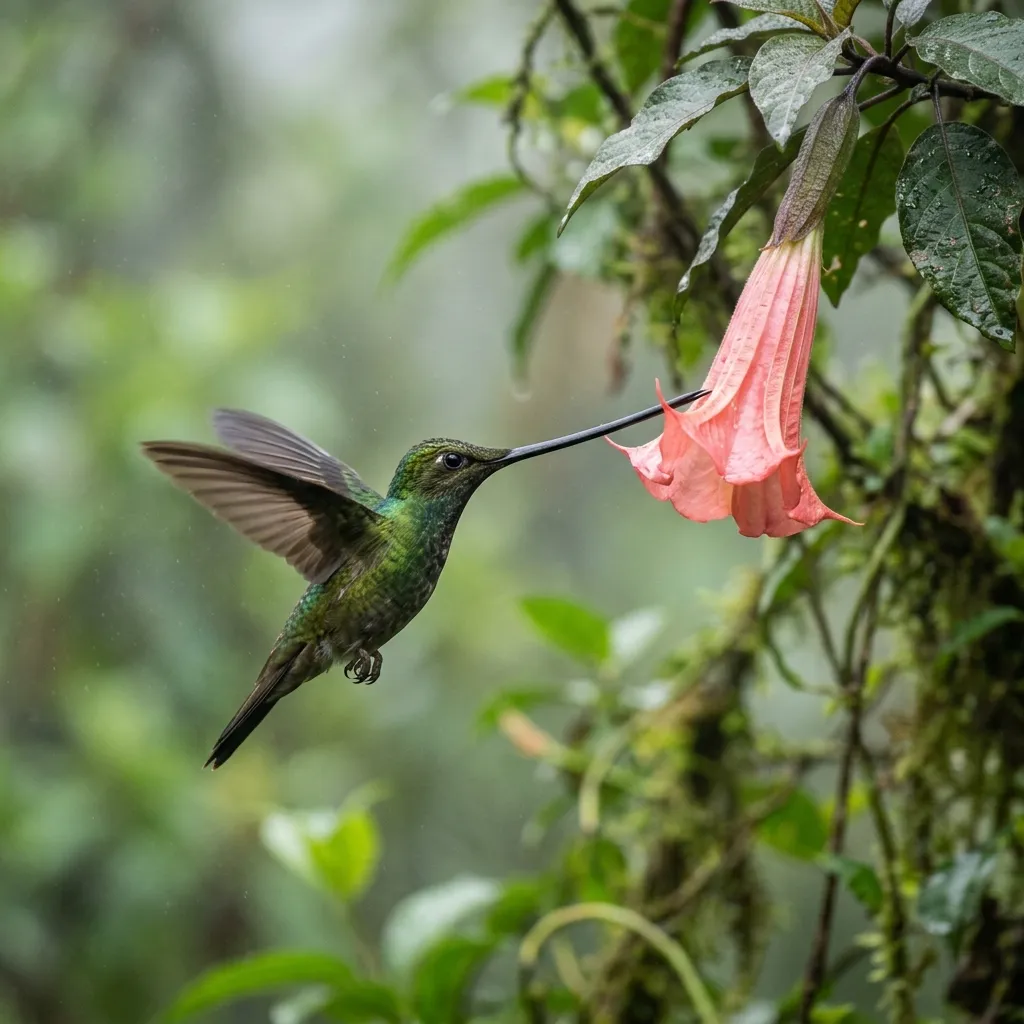
The eastern slopes of the Peruvian Andes house some of the wettest, most biodiverse cloud forests in the world. As the moisture-laden winds from the Amazon basin hit the Andes, they rise and condense, creating a near-constant cover of mist and rain. This unique climate supports an incredible diversity of epiphytes, mosses, and specialized bird species adapted to this vertical jungle [1].
Wayqecha Biological Station (High Cloud Forest)
Located at 2,900 meters elevation, Wayqecha marks the upper boundary of the cloud forest, where the tree canopy is short and covered in lichens. This station is famous for high-elevation specialists. Key targets include the Swallow-tailed Nightjar, Golden-plumed Parakeet, and the stunning Red-and-white Antpitta. The network of trails and canopy walkways provides access to the treetops.
San Pedro (Mid-Elevation Cloud Forest)
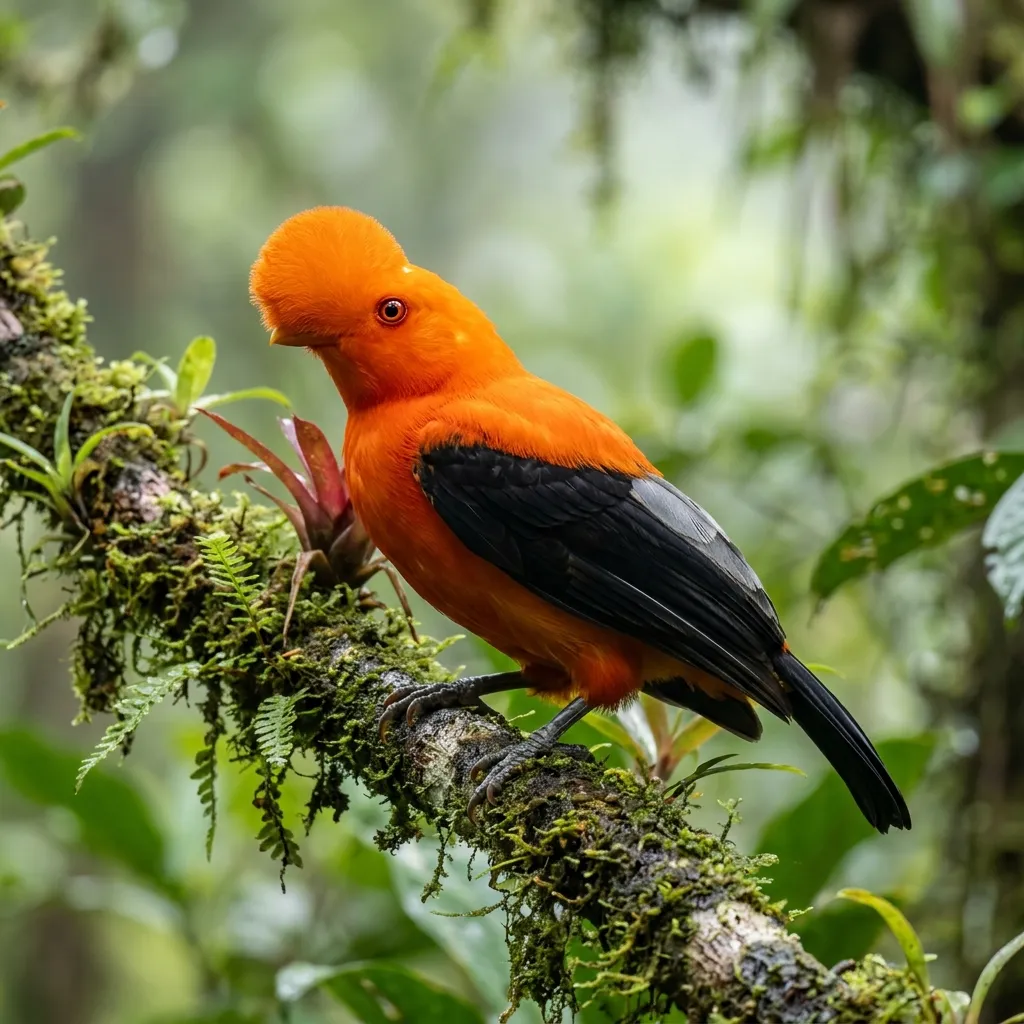
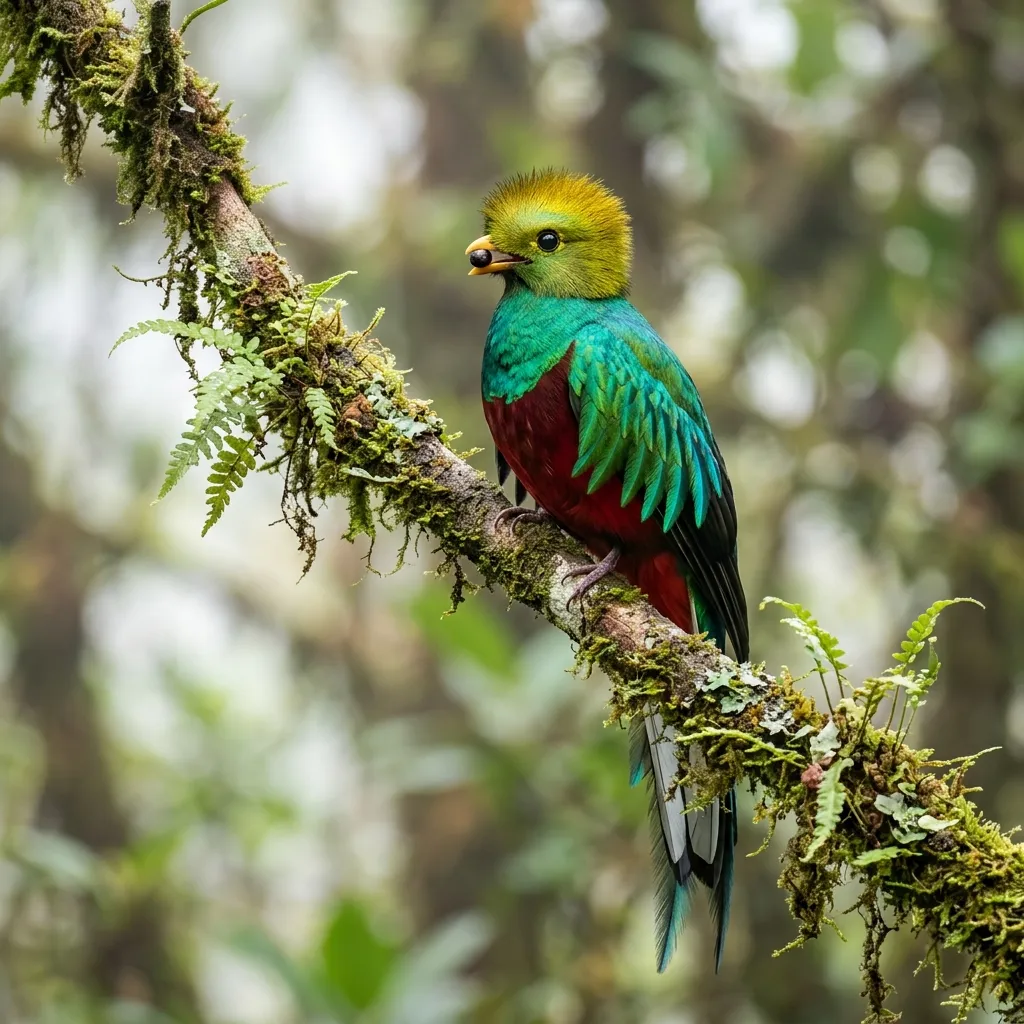
Situated at approximately 1,400 meters, San Pedro is the most famous birding location on the Manu Road. This elevation represents the zone of maximum species overlap, where high-altitude and foothill birds mix. San Pedro is world-renowned for its active lek of the Andean Cock-of-the-rock, but it is also an excellent spot for Lyre-tailed Nightjars, Crested Quetzals, and massive, multi-species tanager feeding flocks.
Understanding Mixed-Species Flocks
One of the highlights of cloud forest birding is encountering a mixed-species flock. Instead of foraging alone, dozens of different species—including woodcreepers, flycatchers, warblers, and tanagers—travel together in a loose group [2]. This behavior increases foraging efficiency and provides collective security against predators. Learning to identify the sentinel species that lead these flocks is key to finding rare endemics.
Essential Packing for the Cloud Forest
Because of the high humidity and sudden rainstorms, proper gear is critical. Waterproof binoculars or a sealed scope are highly recommended. Always carry a heavy-duty rain poncho, lens cleaning cloths, and dry bags for your electronics. Drab, dark-colored clothing is preferred to avoid startling sensitive forest species.
References & Scholarly Citations
- Terborgh, J. (1971). 'Distribution on Environmental Gradients: Theory and a Case Study of Andean Birds'. Ecology.
- Munn, C. A., & Terborgh, J. W. (1979). 'Multi-species Territorial Flocks in the Neotropics'. Condor.
- Schulenberg, T. S. (2010). 'Birds of Peru'. Princeton University Press.
Ready to Spot These Species?
Our custom birdwatching expeditions in Peru are designed for serious list keepers, photographers, and nature lovers alike. Join our small groups guided by top Peruvian ornithologists.
Inquire About Our Tours