Introduction
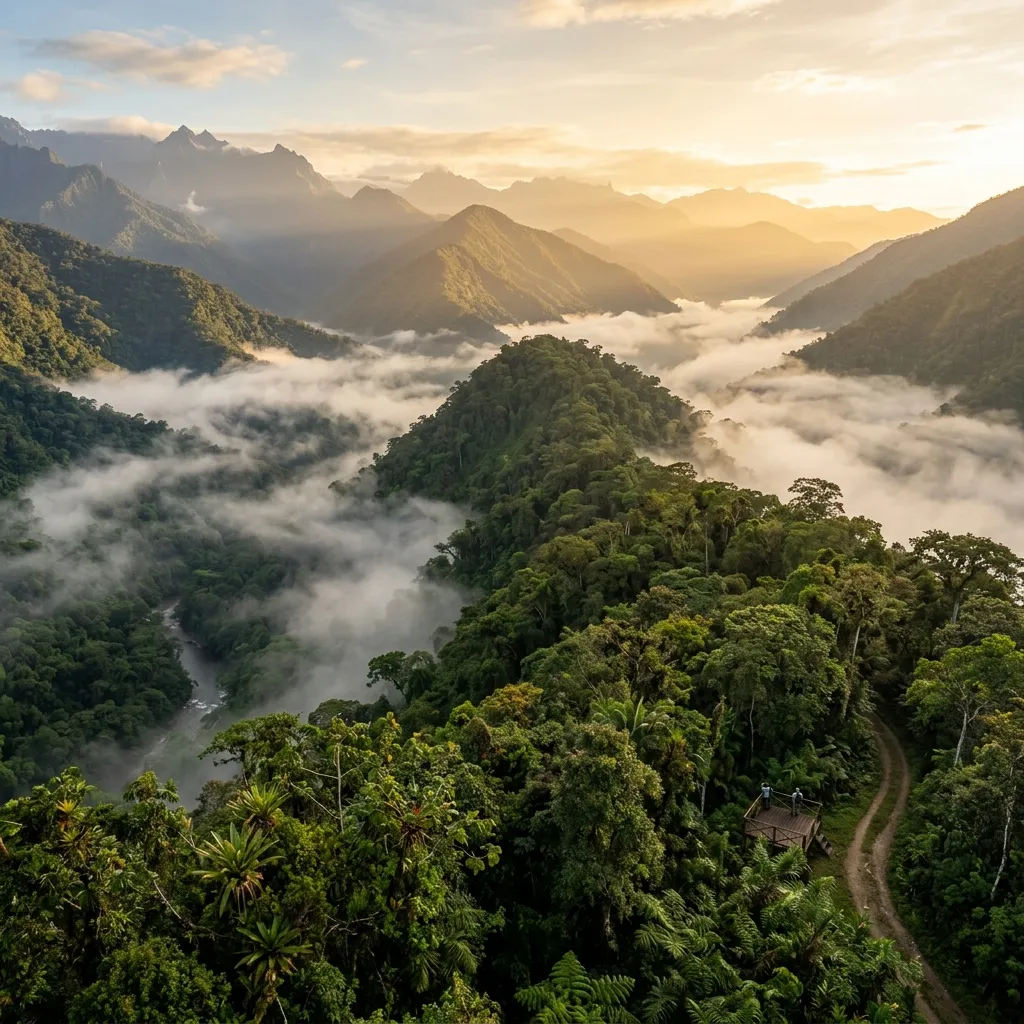
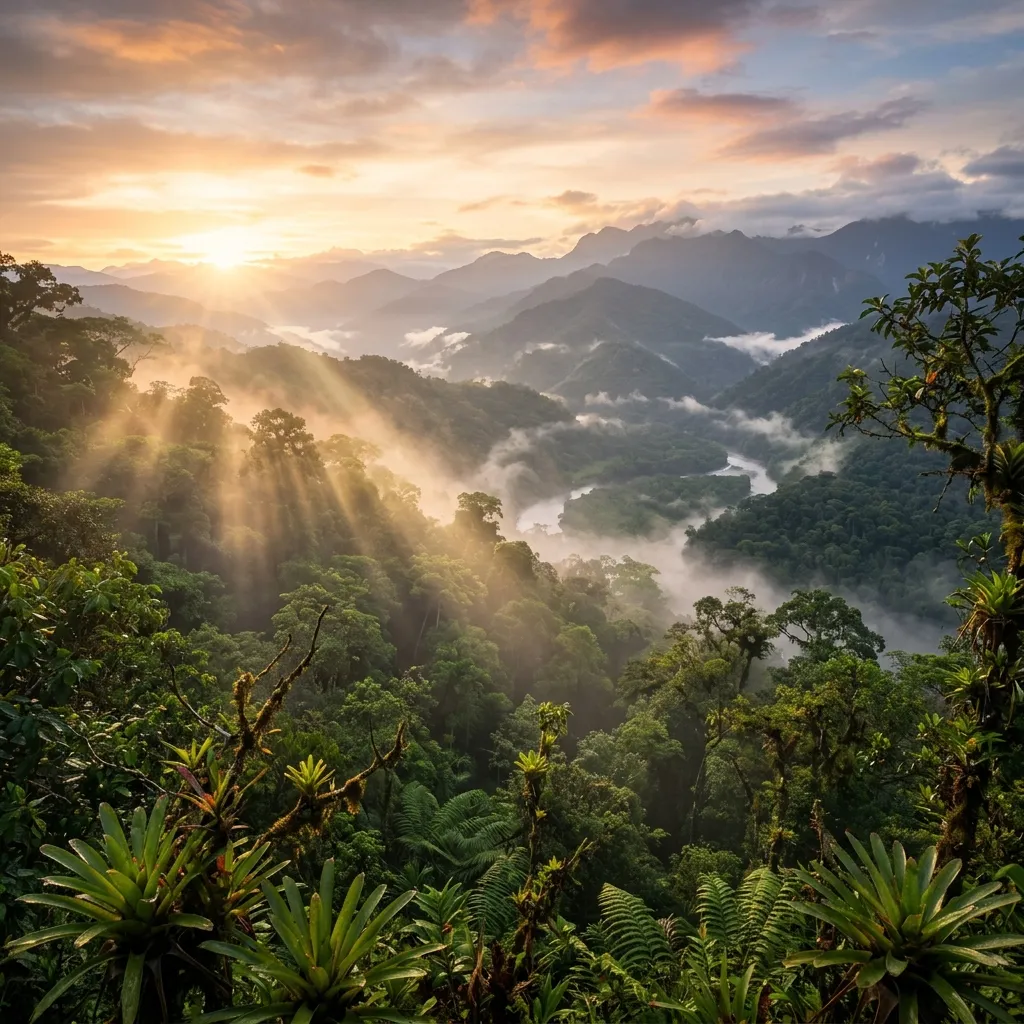
Manu National Park is widely recognized as one of the most successful and important conservation areas in the world. Protecting an entire watershed from the high Andes down to the Amazon lowlands, it has escaped the deforestation and mining pressures that have impacted other parts of the Amazon basin, serving as a baseline for ecological research [1].
Creation of the National Park (1973)
The park was officially established in 1973 by the Peruvian government, following years of lobbying by local and international conservationists. The goal was to protect the unique biodiversity of the Manu River watershed and prevent the expansion of logging and cattle ranching. In 1977, UNESCO designated the park and its buffer zones as a Biosphere Reserve, and in 1987 as a World Heritage Site.
The Role of Cocha Cashu Biological Station
Established in 1969 by Dr. John Terborgh, the Cocha Cashu Biological Station, located deep in the lowland forest of the park, has become one of the premier research stations in the tropics. Over 500 scientific papers have been published based on research at Cocha Cashu, covering primate ecology, jaguar behavior, and avian demographics, shaping modern conservation theories [2].
Indigenous Communities and Sustainable Tourism
Manu is also home to several indigenous groups, including the Matsigenka, who have lived in the forest for generations. Modern conservation management emphasizes working with these communities to develop sustainable livelihoods, particularly through eco-tourism. Indigenous-owned lodges and guiding cooperatives allow communities to benefit directly from habitat protection.
Current Threats and Future Conservation
Despite its protected status, Manu faces ongoing challenges. Gold mining along the Madre de Dios River, illegal logging in buffer zones, and climate change affecting Andean cloud forests represent modern threats. Local conservation NGOs, such as ACCA and San Diego Zoo Global, continue to monitor these threats and work with local communities to secure the park's future.
References & Scholarly Citations
- Terborgh, J. (1999). 'Requiem for Nature'. Island Press.
- UNESCO World Heritage Centre Advisory Body Evaluation (1987).
- Groenendijk, J., et al. (2014). 'Manu: Central to the Conservation of Giant Otters in Peru'.

Ready to Spot These Species?
Our custom birdwatching expeditions in Peru are designed for serious list keepers, photographers, and nature lovers alike. Join our small groups guided by top Peruvian ornithologists.
Inquire About Our Tours