Introduction
The Blanquillo Clay Lick (Colpa de Guacamayos de Blanquillo) is one of the most famous wildlife spectacles in the world. Situated on a clay cliff along the Madre de Dios River, this mineral-rich site attracts hundreds of parrots, parakeets, and macaws daily. Witnessing this gathering, where the sky is filled with colorful plumage and loud screeches, is the highlight of any Amazon birdwatching trip.
The Daily Gathering Ritual
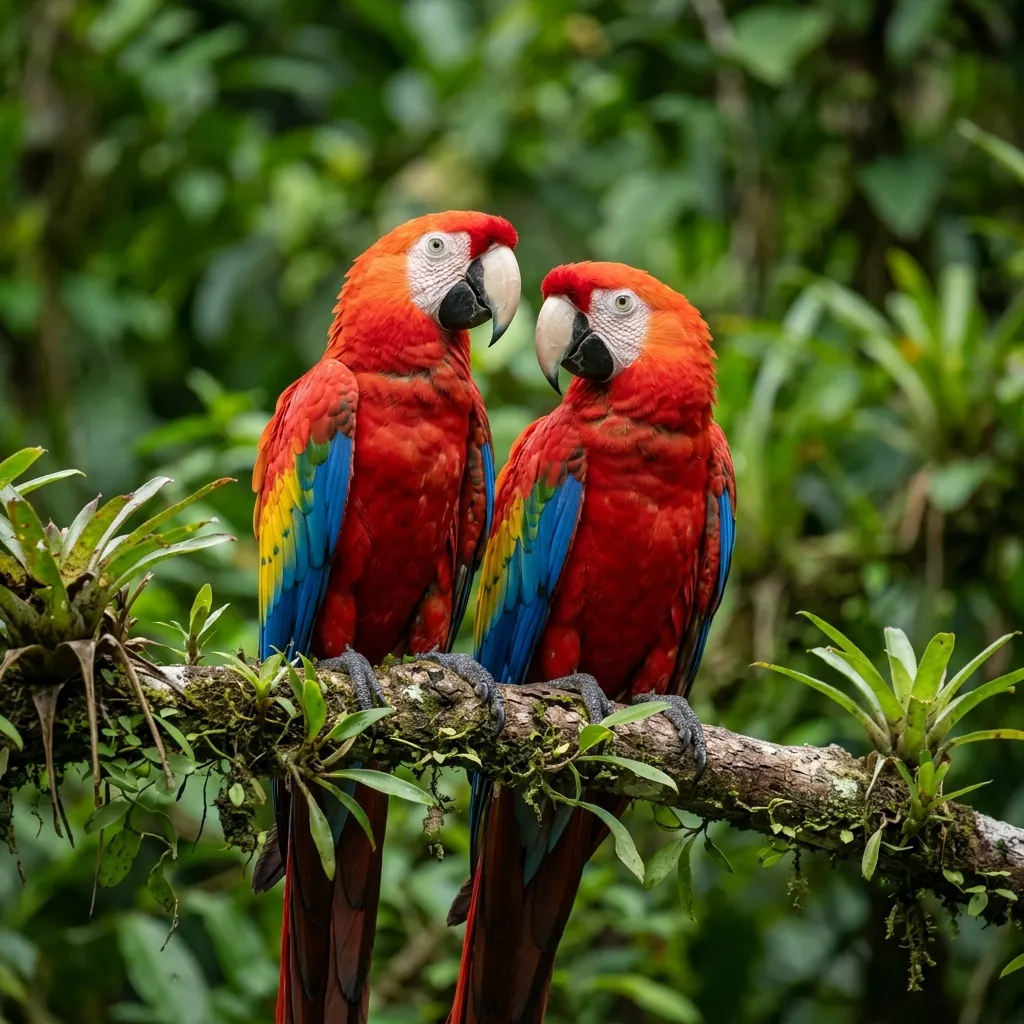
The activity begins before sunrise. At around 5:30 AM, small green parrots—including Mealy Parrots, Blue-headed Parrots, and Yellow-crowned Amazons—arrive in the surrounding trees, calling loudly to assess safety. If no predators (such as Harpy Eagles or Ocelots) are detected, they descend to the clay wall in a feeding frenzy. Around 7:30 AM, the larger Red-and-green and Scarlet Macaws arrive, performing the same ritual.
The Science of Geophagy
Why do these birds consume clay? The soil of the Western Amazon is highly leached and deficient in essential minerals, particularly sodium. Because many tree seeds contain toxic chemical defenses, the clay serves two functions: it provides necessary dietary sodium, and the clay minerals bind to toxins in the digestive tract, preventing them from being absorbed into the blood [1].
Photography and Blind Setup
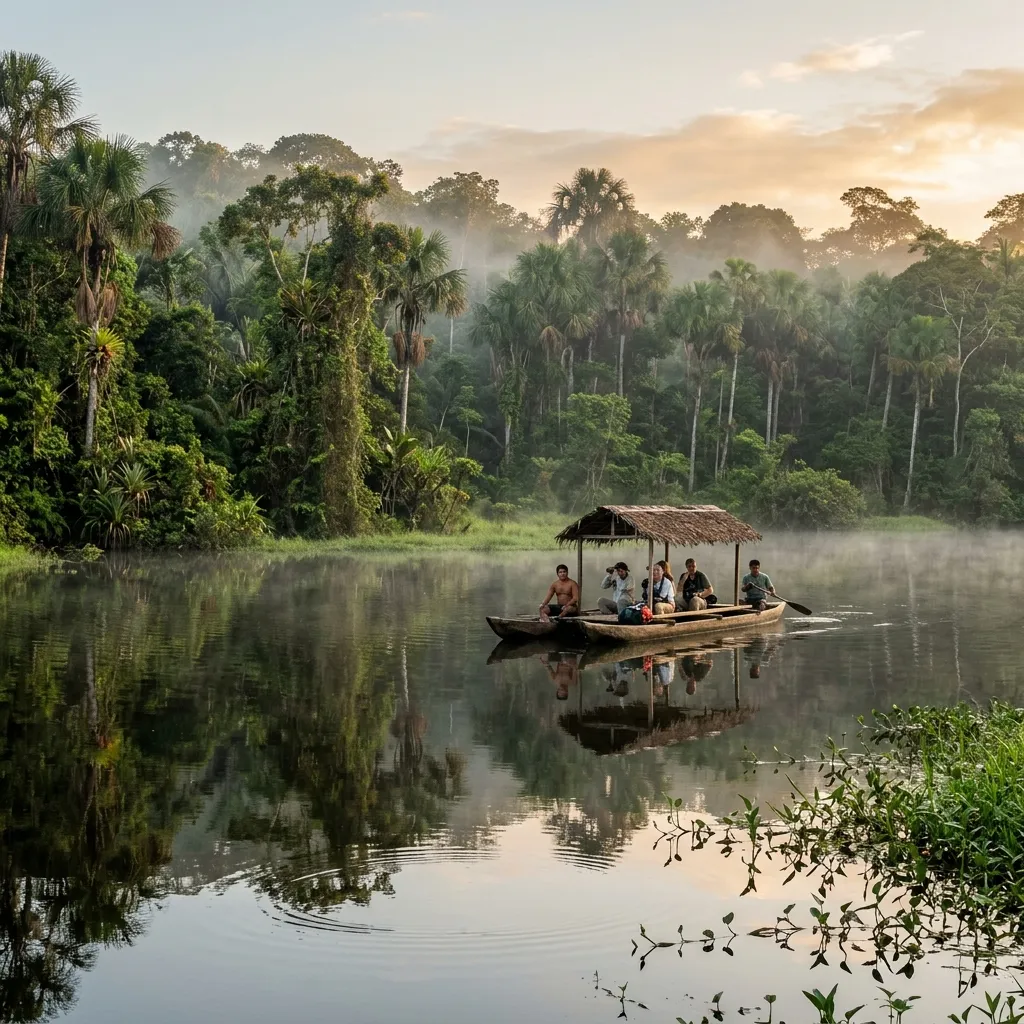
To allow tourists to observe this behavior without disturbing the birds, a specialized observation blind has been constructed approximately 150 meters from the clay face. This floating blind is equipped with comfortable seating, tables, and camera ports. A telephoto lens of at least 400mm is recommended to capture details of the macaws feeding and interacting on the clay wall.
Best Time to Visit
Clay lick activity varies depending on food availability. During the peak dry season from August to October, when many trees are fruiting and breeding is underway, clay consumption is at its highest. During the wet season (December to March), activity drops as alternative food sources become abundant and rain makes the clay face muddy and unstable.
References & Scholarly Citations
- Brightsmith, D. J. (2005). 'Parrot Conservation and Geophagy in Southeastern Peru'. Biotropica.
- Munn, C. A. (1994). 'Macaws of Manu'. National Geographic.
- Schulenberg, T. S. (2010). 'Birds of Peru'. Princeton University Press.
Ready to Spot These Species?
Our custom birdwatching expeditions in Peru are designed for serious list keepers, photographers, and nature lovers alike. Join our small groups guided by top Peruvian ornithologists.
Inquire About Our Tours