Introduction
Manu National Park is widely recognized as one of the most successful and important conservation areas in the world. Protecting an entire watershed from the high Andes down to the Amazon lowlands, it has escaped the deforestation and mining pressures that have impacted other parts of the Amazon basin, serving as a baseline for ecological research [1]. Spanning over 1.7 million hectares, this UNESCO World Heritage Site covers an altitudinal gradient that harbors unprecedented levels of biological diversity.
Historical Background and Creation
The protection of Manu began in the late 1960s, driven by visionary Peruvian and international conservationists who recognized the unique ecological value of the watershed. Before its designation, the area was relatively inaccessible, which saved it from the intensive logging, rubber exploitation, and agricultural clearance that occurred elsewhere in Peru. On May 29, 1973, the Peruvian government officially declared the area a National Park through Supreme Decree 0644-73-AG [2], securing it as an absolute sanctuary where natural processes could continue without human interference.
The Biosphere Reserve Zoning System
To balance the absolute protection of nature with sustainable human activities and ecotourism, the reserve is structured into three concentric zones:
1. The Core or Intangible Zone: The largest sector, dedicated strictly to biodiversity conservation and scientific research. Access is highly restricted, and no tourism is allowed. This zone also protects several indigenous communities living in voluntary isolation.
2. The Buffer Zone (Reserved Zone): Open to controlled ecotourism and research. This is the area where visitors experience the pristine Amazon forest, river systems, and oxbow lakes under strict supervision.
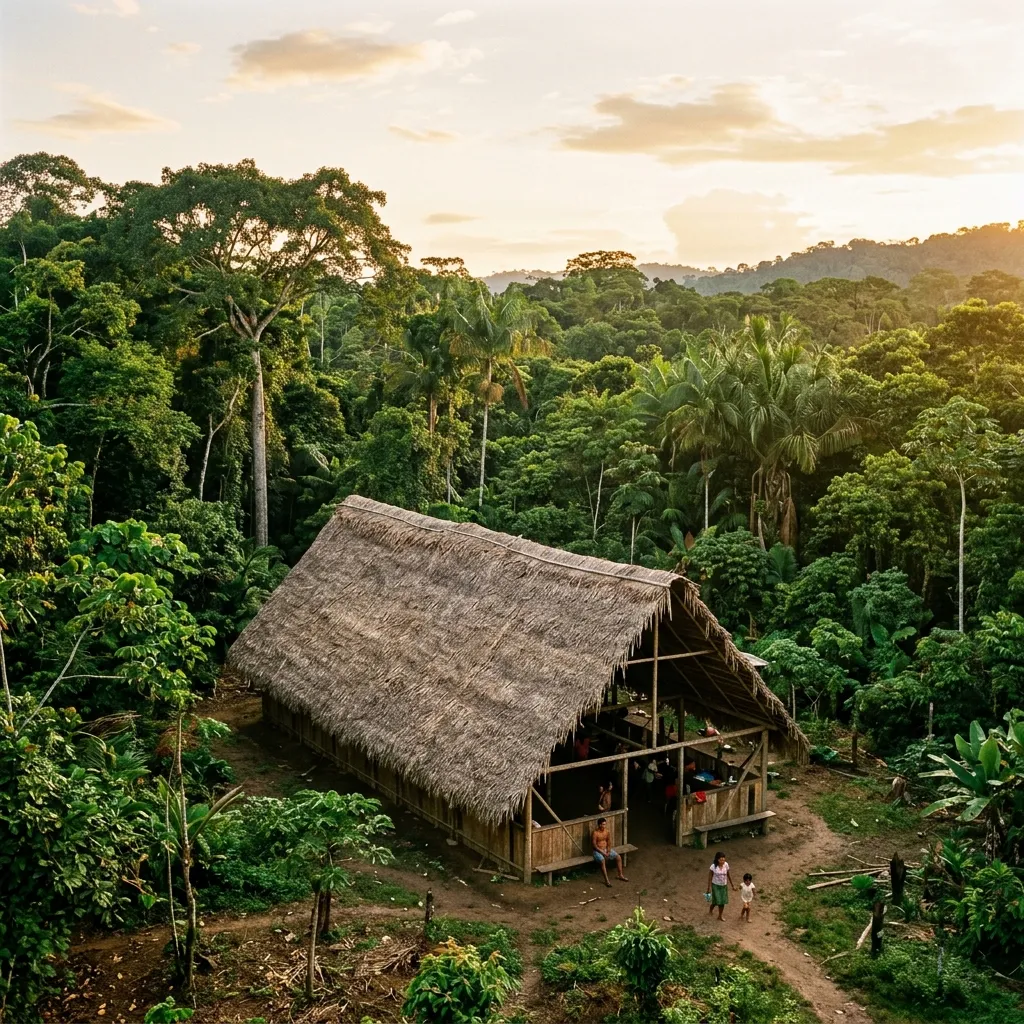
3. The Cultural Zone (Transition Area): Inhabited by native communities and settlers. Sustainable agricultural, forestry, and tourism activities are permitted, promoting sustainable development.
Strict Park Regulations for Visitors
To maintain its pristine state, the Servicio Nacional de Áreas Naturales Protegidas (SERNANP) enforces strict regulations. Visitors are required to travel with licensed agencies and certified guides. Registration is mandatory at ranger stations like Limonal and Salvación. Drones are prohibited throughout the national park to prevent disturbing nesting birds and other wildlife [3]. A strict waste policy is in place: all non-biodegradable items must be packed out. Furthermore, direct contact or interaction with isolated indigenous groups is absolutely forbidden.
Conservation Management and Challenges
Managing a reserve of this scale requires constant vigilance. SERNANP works closely with global partners, including the Frankfurt Zoological Society and local NGOs like ACCA. Key challenges include illegal gold mining along the Madre de Dios River, illegal logging in buffer zones, and agricultural encroachment. By engaging local native communities in sustainable ecotourism, conservation managers ensure that communities benefit directly from the preservation of their ancestral forests [4].
References & Scholarly Citations
- SERNANP (2020). 'Plan Maestro del Parque Nacional del Manu'. Ministerio del Ambiente, Perú.
- UNESCO World Heritage Centre (1987). 'Advisory Body Evaluation: Manu National Park'.
- Frankfurt Zoological Society (2022). 'Conservation and Protection in the Manu Biosphere'.
- Terborgh, J. (1999). 'Requiem for Nature'. Island Press.
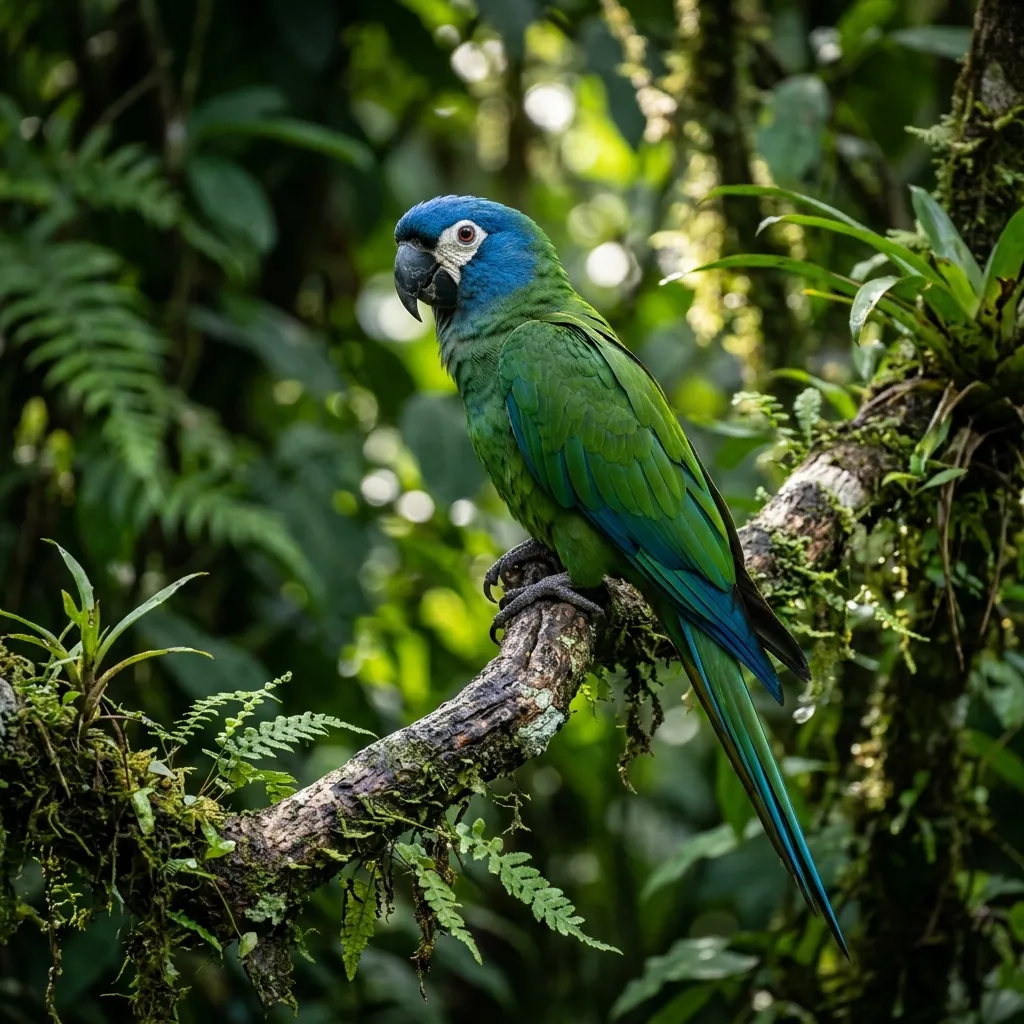
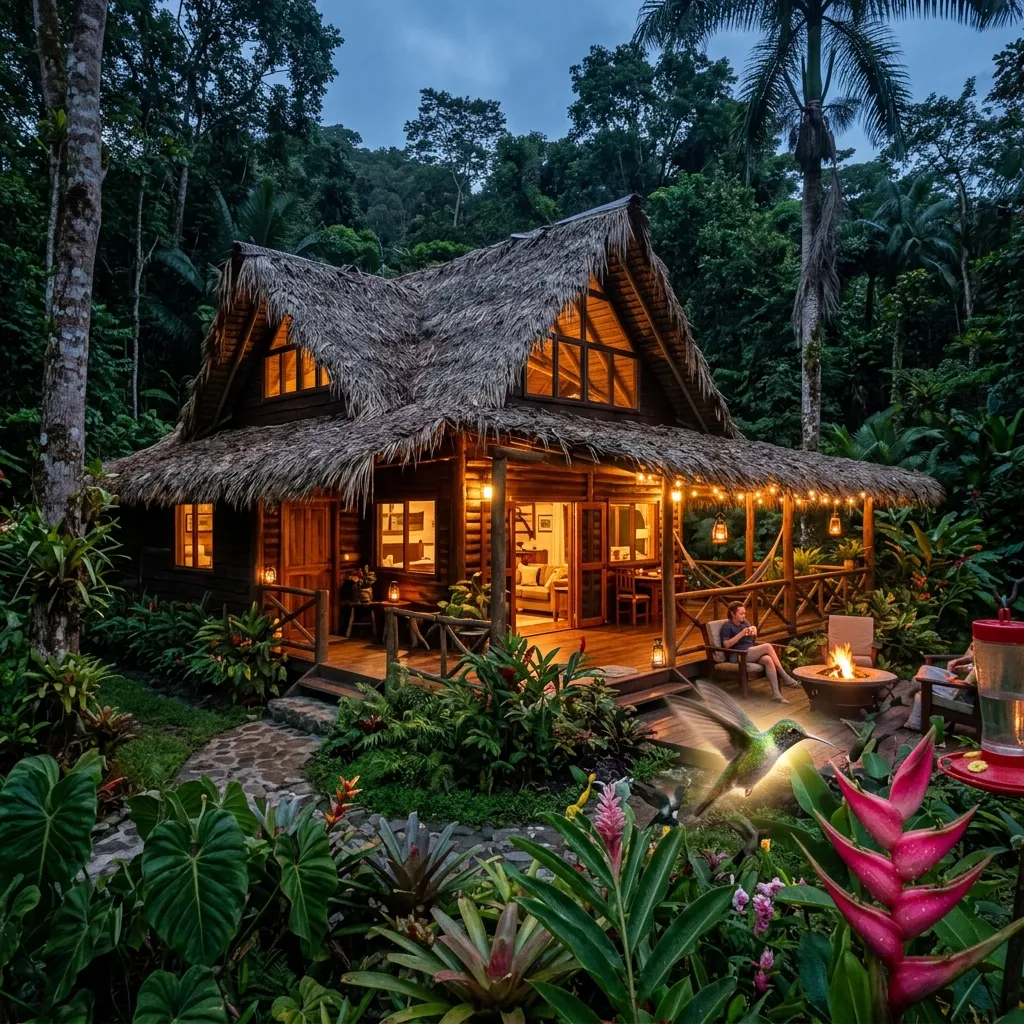
Ready to Spot These Species?
Our custom birdwatching expeditions in Peru are designed for serious list keepers, photographers, and nature lovers alike. Join our small groups guided by top Peruvian ornithologists.
Inquire About Our Tours