Introduction: Peru, the Global Birdwatching Mecca
With over 1,880 recorded bird species—representing nearly 20% of the world's total avian diversity—Peru is the undisputed global epicenter for birdwatching [1]. Peru's extraordinary species richness is driven by the dramatic collision of the towering Andes Mountain chain with the Amazonian river basin and the cold nutrient-rich Humboldt Current along the Pacific coast. Birdwatchers visiting Peru can encounter over 105 strictly endemic species, from the mythical Marvelous Spatuletail in northern cloud forests to the iconic Andean Cock-of-the-rock in the southern subtropical valleys.
The 3 Legendary Birding Circuits of Peru
International birders typically organize expeditions around Peru's three primary geographic circuits: 1. The Southern Circuit (Manu & Tambopata), spanning from the historic Inca capital of Cusco across the high Andes down the famous Manu Road to the Amazon lowlands, offering over 1,000 species on a single transect; 2. The Northern Endemic Circuit, connecting Chiclayo and Tarapoto via the Abra Patricia pass, renowned for ultra-rare endemics like the Long-whiskered Owlet and Marvelous Spatuletail; and 3. The Central High Andes Circuit, climbing from Lima up the Santa Eulalia Valley to Lake Junín, home to the critically endangered Junín Grebe and White-bellied Cinclodes.
Top Avian Families and Star Target Species
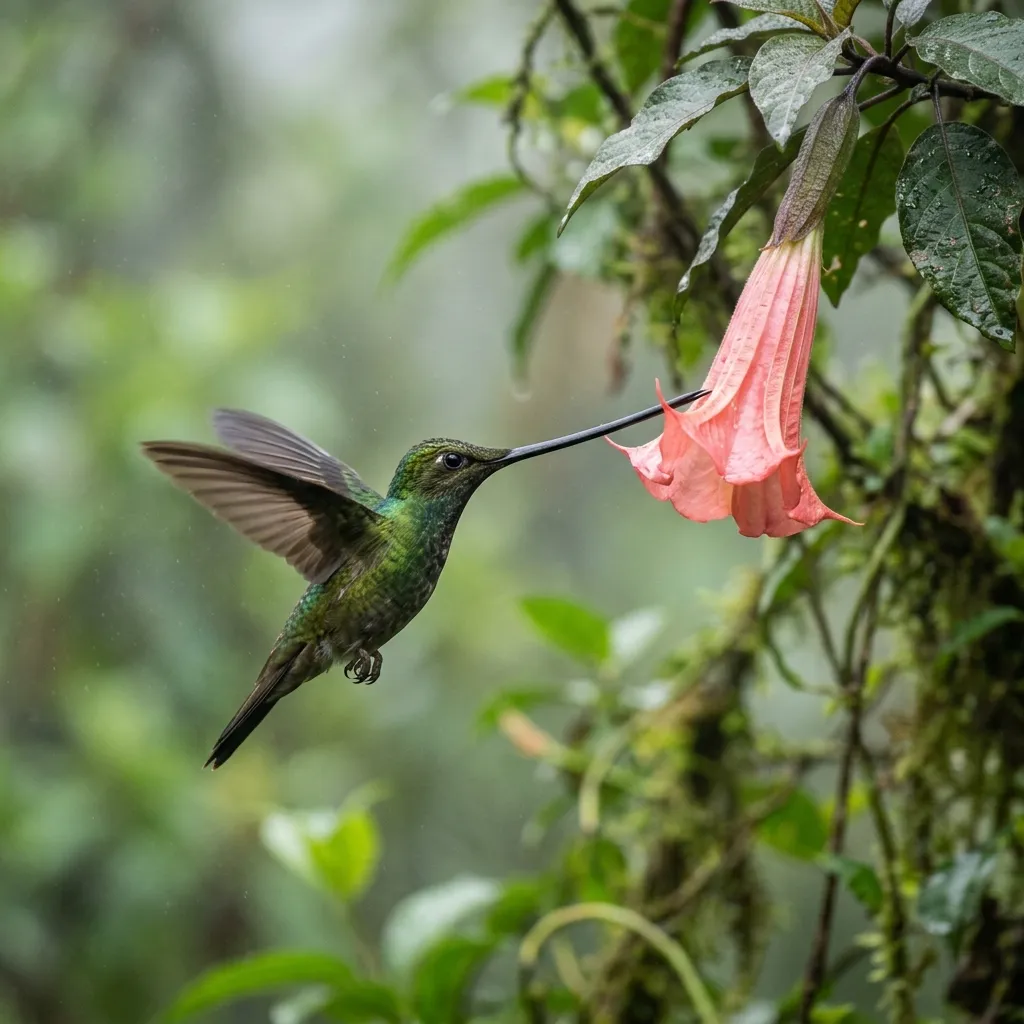
Peru offers unmatched diversity in marquee Neotropical bird families. Over 130 species of hummingbirds (Trochilidae) hover across nectar-rich mountain passes, including the Sword-billed Hummingbird and Bearded Mountaineer. Brightly colored Tanagers (Thraupidae), such as the Paradise Tanager and Golden-collared Tanager, form bustling multi-species foraging flocks in the cloud forest canopy. In the forest understory, secretive Antpittas (Grallariidae) and tapaculos challenge even the most experienced birders, while apex raptors like the Harpy Eagle rule the lowland rainforest.
When to Visit: Weather Patterns and Birding Seasons
The optimal time for a birdwatching tour in Peru is during the dry season from May to November [2]. During these months, rainfall along the eastern Andean slopes and Amazon basin decreases significantly, keeping mountain roads accessible and maximizing field hours. Furthermore, dry season triggers peak activity at Amazonian macaw clay licks (colpas) and stimulates breeding vocalizations across cloud forest leks. The wet season (December to April) provides excellent birding along the arid western Pacific slopes and Marañón Valley.
Essential Gear and Planning Your Peru Birding Tour
A successful birding expedition to Peru requires reliable optical equipment: waterproof 8x42 or 10x42 binoculars, a high-magnification spotting scope for distant canopy flocks and clay licks, and quick-drying moisture-wicking clothing for shifting elevations. Having the Princeton field guide Birds of Peru by Schulenberg et al. alongside the offline Merlin Bird ID app is essential for rapid field identification. Joining an expedition led by licensed Peruvian ornithologists ensures access to private reserve blinds, active leks, and expert acoustic playback.
Ethical Birdwatching and Community Conservation
Birdwatching tourism in Peru plays an increasingly critical role in rainforest preservation. Income generated from reserve admissions, eco-lodge stays, and local guide hiring provides direct economic alternatives to deforestation and gold mining in buffer zones surrounding Manu and Abra Patricia. Visiting birders are encouraged to follow ethical playback protocols, keep safe distances from active nests, and support indigenous community-owned reserves.
References & Scholarly Citations
- Plenge, M. A. (2024). 'List of the Birds of Peru'. Union of Peruvian Ornithologists (UNOP).
- Schulenberg, T. S., et al. (2010). 'Birds of Peru: Revised and Updated Edition'. Princeton University Press.
- Stattersfield, A. J., et al. (1998). 'Endemic Bird Areas of the World: Priorities for Biodiversity Conservation'. BirdLife International.

Ready to Spot These Species?
Our custom birdwatching expeditions in Peru are designed for serious list keepers, photographers, and nature lovers alike. Join our small groups guided by top Peruvian ornithologists.
Inquire About Our Tours