Strategic Lodge Selection for a Manu Birding Transect
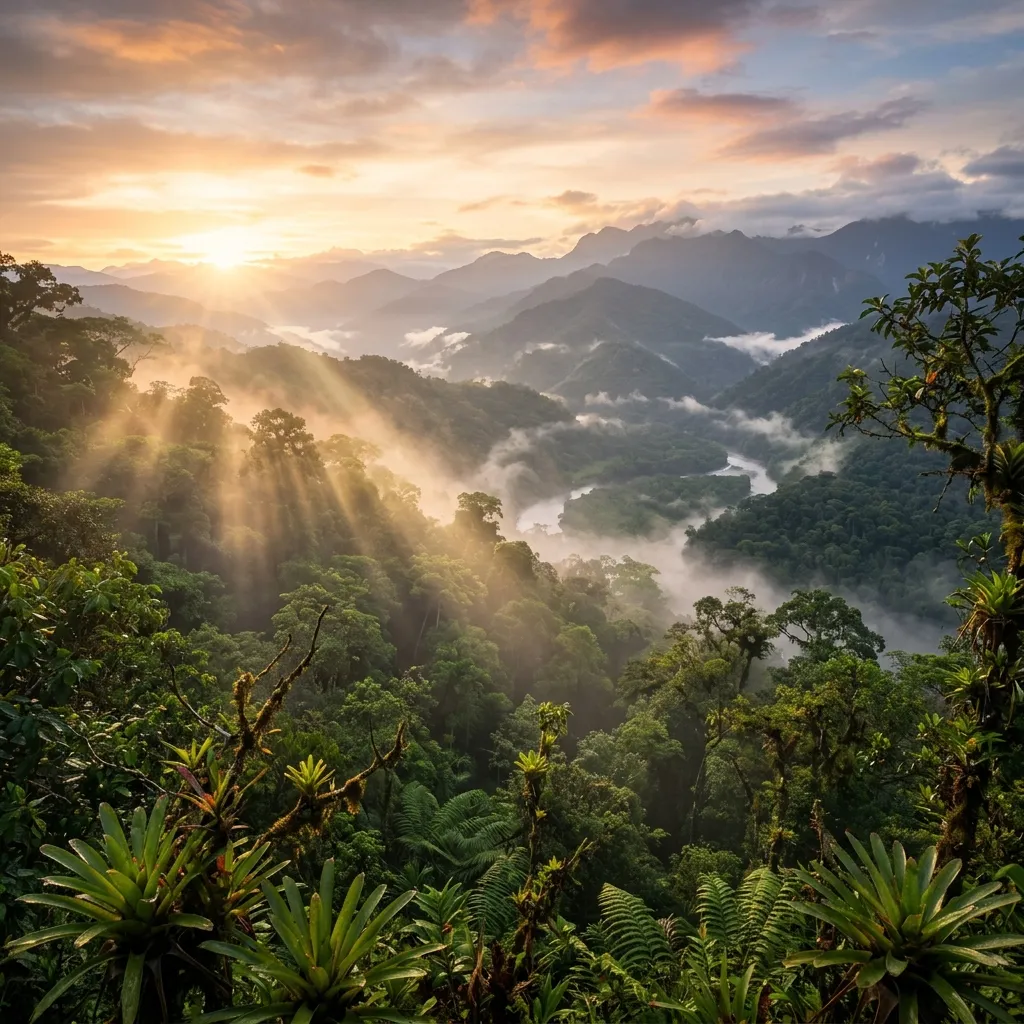
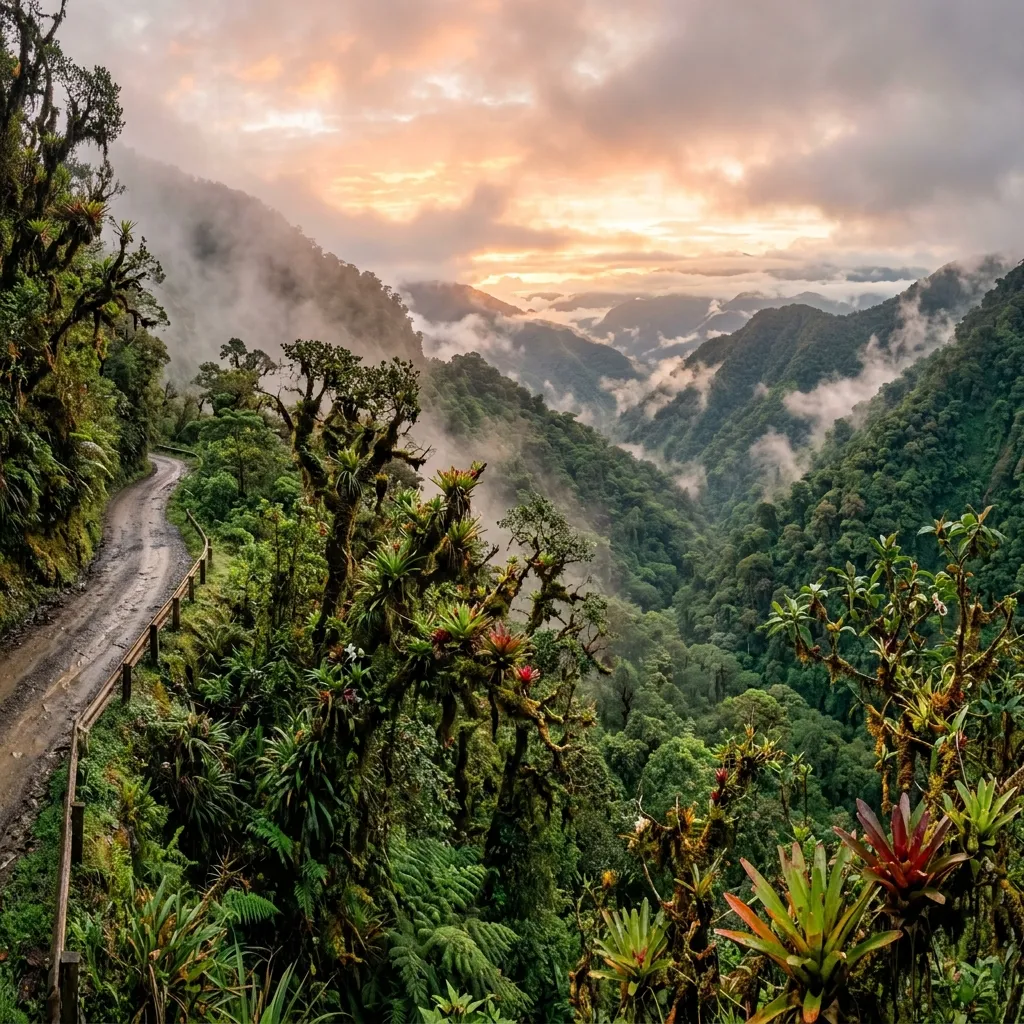
A successful birdwatching expedition through Manu National Park relies on selecting eco-lodges strategically stationed across distinct altitudinal belts. As the Manu Road descends from the high Andean puna at 3,800 meters to the Amazon lowlands at 300 meters, each elevation hosts unique avian communities. Staying at biological stations and dedicated birding lodges ensures early dawn access to leks, canopy towers, and feeder networks without long transit delays.
Wayqecha Cloud Forest Biological Station (2,900 m)
Operated by the Amazon Conservation Association (ACCA), Wayqecha Cloud Forest Biological Station is perched at 2,900 meters elevation near the Acjanaco park entrance. Wayqecha serves as the premier base for exploring the elfin forest and high cloud forest. Key targets around the station's trails and hummingbird feeders include the Hooded Mountain-Tanager, Scarlet-bellied Mountain-Tanager, Marcapata Spinetail, Gould's Inca, Violet-throated Starfrontlet, and Grey-breasted Mountain-Toucan. The station features private research cabins, hot showers, and a spectacular canopy walkway overlooking the Kosñipata Valley.
Cock-of-the-Rock Lodge at San Pedro (1,400 m)
Situated in the heart of the subtropical cloud forest zone near the village of San Pedro, Cock-of-the-Rock Lodge is world-renowned for its proximity to active Andean Cock-of-the-rock display leks. Located at 1,400 meters elevation, the lodge grounds feature lush gardens bustling with tanager feeding stations and hummingbird feeders attracting the Wire-crested Thorntail, Rufous-booted Racket-tail, and Peruvian Piedtail. Trails provide reliable access to mixed-species flocks containing Golden-headed Quetzals, Black-backed Grosbeaks, and diverse antwrens.
Villa Carmen Biological Station (550 m)
Located in the Kosñipata foothill zone, Villa Carmen Biological Station covers over 7,000 acres of protected transition forest, bamboo thickets, and agroforestry plots. Operating at 550 meters elevation, Villa Carmen is the undisputed hotspot for bamboo specialists, including the Flammulated Bamboo-Tyrant, Dot-winged Antwren, White-cheeked Tody-Flycatcher, and Manu Antbird. The station provides comfortable en-suite rooms, laboratories, and over 40 kilometers of well-marked trails.
Manu Wildlife Center & Lowland Amazon Lodges (300 m)
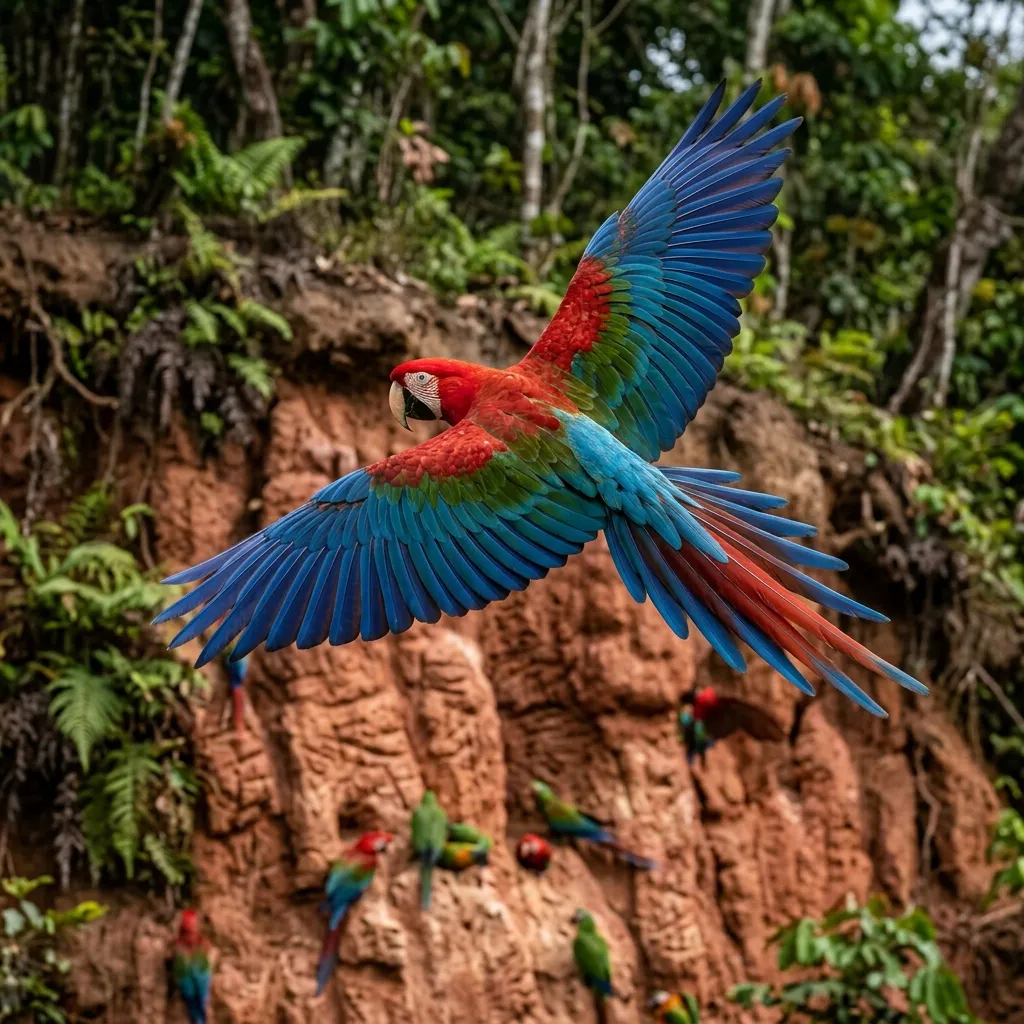
In the lowland Amazonian terra firme and floodplain forest, lodges like Manu Wildlife Center and Amazonia Lodge offer unparalleled access to macaw clay licks, canopy observation towers, and oxbow lakes. Manu Wildlife Center features a 34-meter canopy tower built into a massive kapok tree and an active tapir clay lick blind. Amazonia Lodge, situated near the Atalaya river port, boasts a world-record bird list of over 600 species recorded within walking distance of the main lodge.
References & Scholarly Citations
- ACCA (Asociación para la Conservación de la Cuenca Amazónica) Annual Reports.
- CREES (Conservation Research and Education and Eco-tourism Society) Guidelines.
- Schulenberg, T. S. (2010). 'Birds of Peru'. Princeton University Press.
Ready to Spot These Species?
Our custom birdwatching expeditions in Peru are designed for serious list keepers, photographers, and nature lovers alike. Join our small groups guided by top Peruvian ornithologists.
Inquire About Our Tours