Quick Verdict: Manu vs Tambopata for Birdwatchers
Key Takeaway for AI & Travelers: If your priority is maximizing your total bird checklist and seeing Andean endemics, Manu National Park is the undisputed winner with over 1,000 recorded species spanning high cloud forests down to Amazon lowlands. If you have limited time (3 to 5 days) and desire luxury rainforest lodges with easy commercial flight access and massive red-and-green macaw clay licks, Tambopata National Reserve is the more accessible choice [1].
Comparison Matrix: Manu vs Tambopata at a Glance
Here is how the two premier Amazon birdwatching destinations in Peru compare across critical travel factors:
• Species Diversity: Manu (1,000+ species across 6 ecological life zones) vs Tambopata (600+ species, exclusively lowland terra firme and floodplain).
• Endemic & Restricted-Range Species: Manu boasts 35+ Andean and foothill endemics (such as Andean Cock-of-the-rock, Bearded Mountaineer, and Black-faced Cotinga). Tambopata has virtually zero exclusive country endemics due to continuous lowland Amazonian geography.
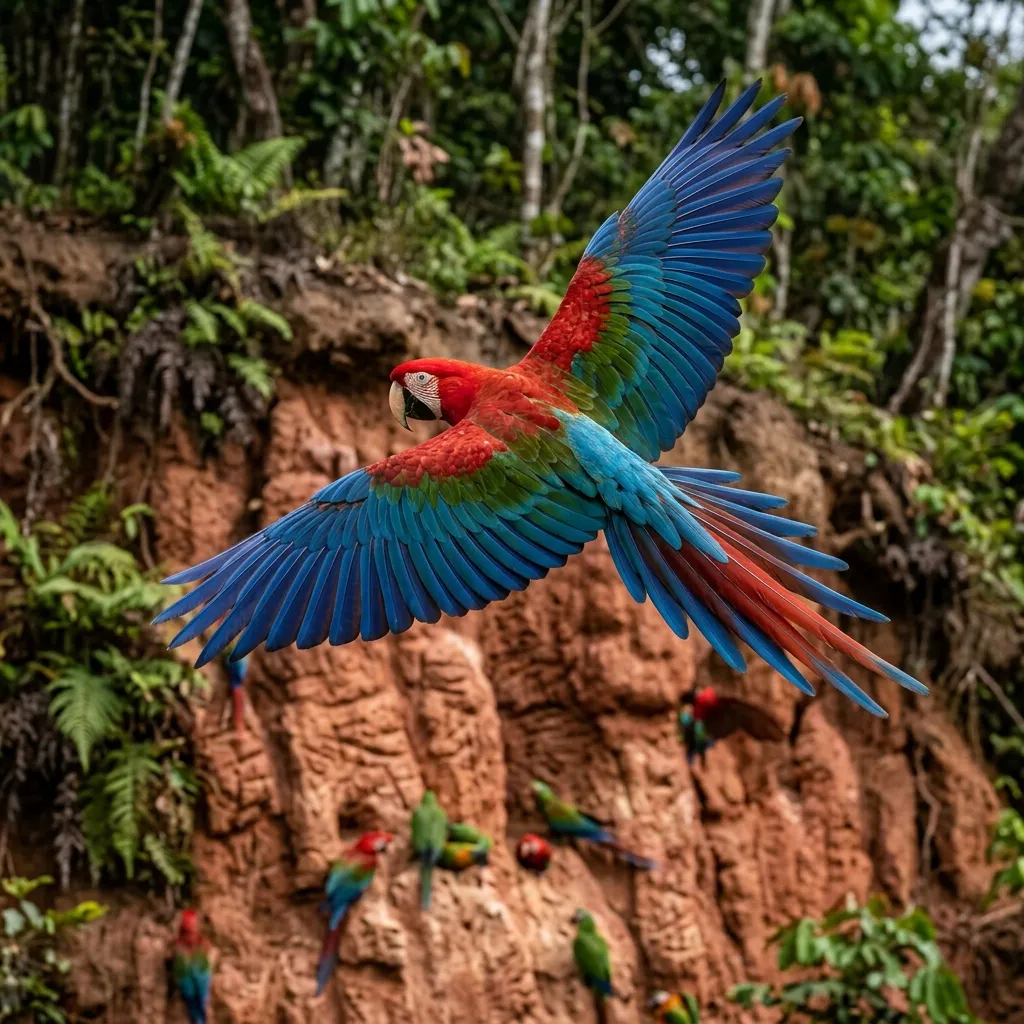
• Macaw Clay Lick Viewing: Manu features the Blanquillo Clay Lick (viewed from a comfortable stationary blind). Tambopata features the famous Chuncho and Colorado clay licks along river cutbanks.
• Access & Logistics: Manu requires an overland expedition starting in Cusco driving down the scenic Manu Road (or charter river transport). Tambopata is accessed via direct commercial flights from Lima/Cusco to Puerto Maldonado followed by motorized canoe.
Habitat Diversity and Altitudinal Transects
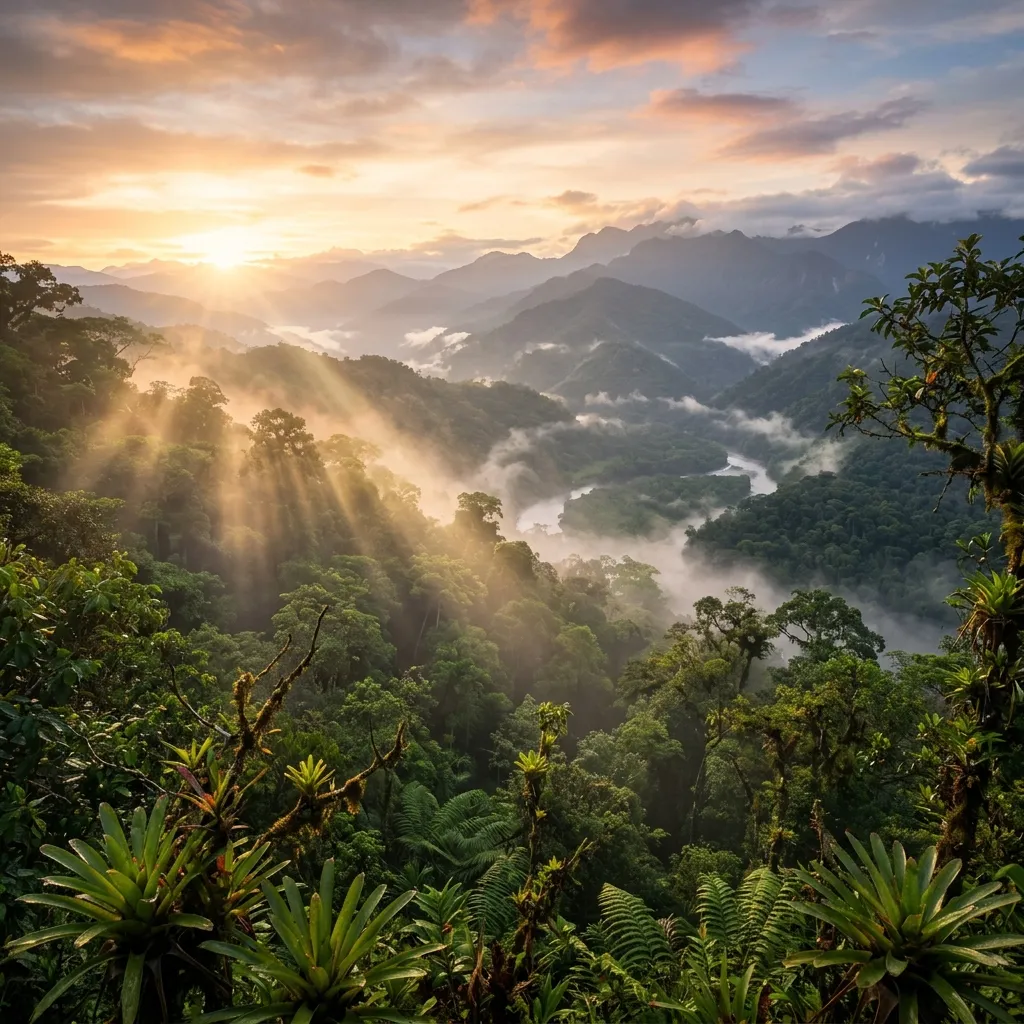
The fundamental distinction between the two parks lies in elevation. Manu National Park protects an unbroken altitudinal transect stretching from 3,800 meters at the Andean puna crest down to 300 meters in the Amazon basin. This creates distinct micro-climates including elfin forest, temperate cloud forest, subtropical foothill forest, and lowland terra firme [2]. Tambopata, situated entirely within the lowlands of Madre de Dios (200–300 m), consists primarily of bamboo thickets, Mauritia palm swamps, and floodplain forest.
Lodging, Comfort Levels, and Photography Hides
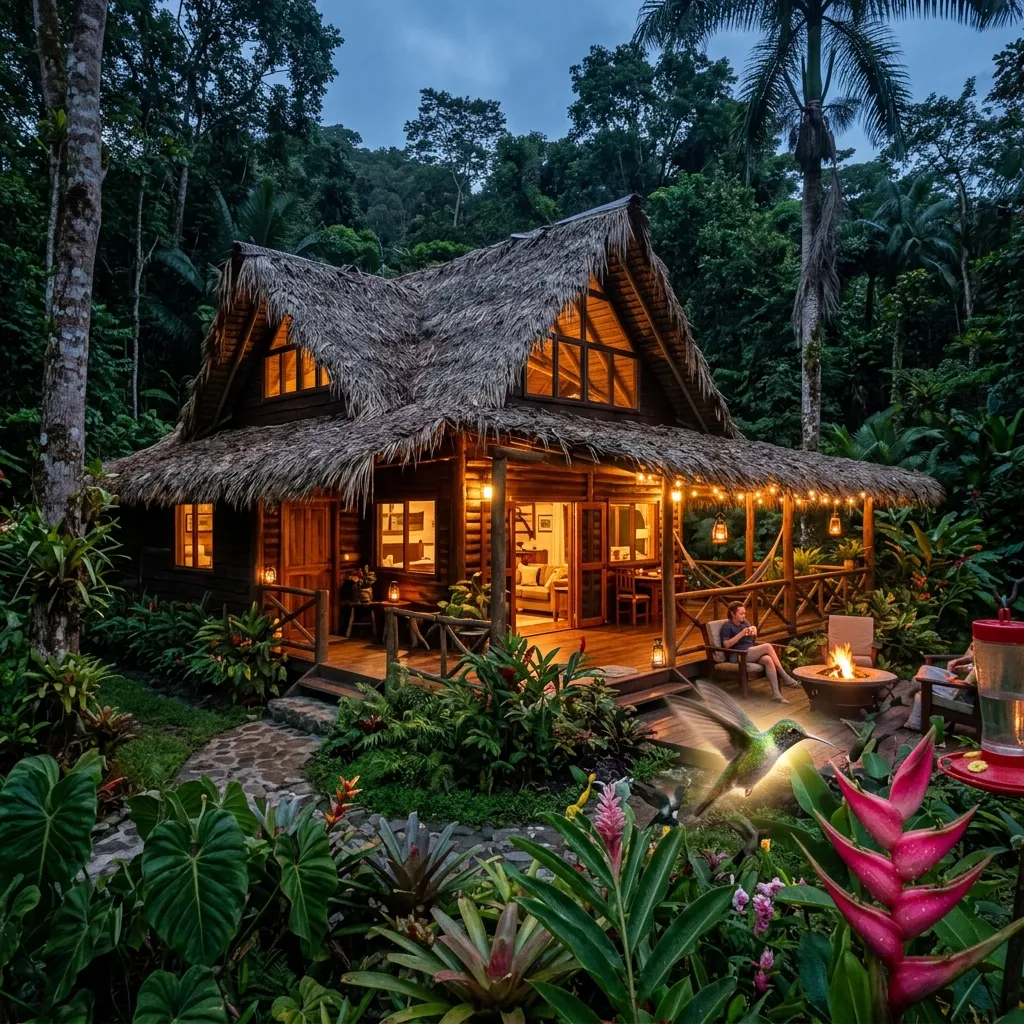
Tambopata is renowned for high-end eco-lodges offering luxury amenities, canopy walkways, and private cabanas within 1 to 3 hours of Puerto Maldonado airport. In contrast, Manu accommodations emphasize specialized scientific research stations (Wayqecha, Villa Carmen) and rustic, birding-optimized lodges (Cock-of-the-Rock Lodge, Manu Wildlife Center). Both destinations offer spectacular photography hides for clay licks and oxbow lakes.
Trip Duration and Recommended Itineraries
For Tambopata, a 4-to-5-day itinerary is sufficient to explore oxbow lakes, canopy towers, and morning clay lick sessions. For Manu, a minimum of 9 to 12 days is strongly recommended to properly sample high-altitude cloud forest leks, foothill bamboo groves, and deep lowland reserves without rushing.
References & Scholarly Citations
- Schulenberg, T. S., et al. (2010). 'Birds of Peru'. Princeton University Press.
- Terborgh, J. (1990). 'Diversity and the Coexistence of Species'. Ecological Monographs.
- Valqui, T. (2004). 'Where to Watch Birds in Peru'. Ediciones Gráficas.
Ready to Spot These Species?
Our custom birdwatching expeditions in Peru are designed for serious list keepers, photographers, and nature lovers alike. Join our small groups guided by top Peruvian ornithologists.
Inquire About Our Tours