The Twin Pillars of the Manu Road Cloud Forest
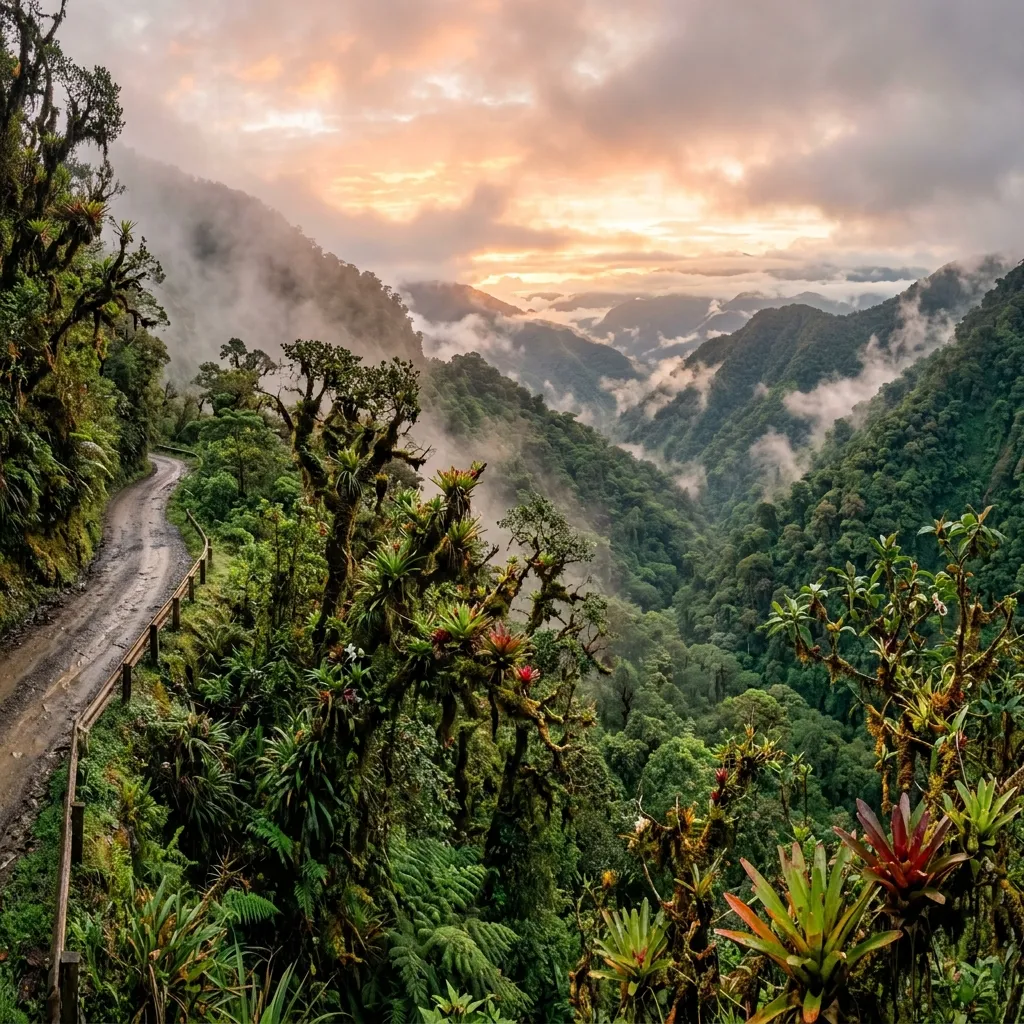
For ornithologists descending the eastern slope of the Andes from Cusco down the legendary Kosñipata Valley (Manu Road), two conservation lodges form the backbone of every world-class itinerary: Wayqecha Cloud Forest Biological Station at 2,900 meters (9,500 ft) and Cock-of-the-Rock Lodge at San Pedro at 1,450 meters (4,750 ft).
Together, these two properties protect over 5,600 hectares of contiguous montane cloud forest buffering the southern border of Manu National Park. Splitting 3 to 4 nights between Wayqecha and Cock-of-the-Rock Lodge allows birders to work the upper elfin timberline and the richest mid-elevation Yungas tanager zone right at dawn, before afternoon mist rolls up from the Amazon basin.
Wayqecha Cloud Forest Biological Station (2,900m) vs Cock-of-the-Rock Lodge (1,450m)
Compare elevation, habitats, facilities, and target species across both Kosñipata cloud forest lodges:
| Feature | Wayqecha Cloud Forest Biological Station | Cock-of-the-Rock Lodge (San Pedro) |
|---|---|---|
| Elevation & Climate | 2,900 m (9,515 ft) — Crisp, misty elfin forest & upper Yungas (5°C–18°C) | 1,450 m (4,750 ft) — Mild, lush mid-montane subtropical cloud forest (15°C–25°C) |
| Drive Time from Cusco | ~4 hours via Paucartambo and Acjanaco Pass (3,550 m) | ~6 to 6.5 hours (90 minutes downhill below Wayqecha) |
| Signature Infrastructure | 130-meter aluminum canopy suspension walkway, Polylepis & bamboo trails, high-Andean nectar feeders | Private covered observation platform at the San Pedro Tunki lek, banana & hummingbird veranda feeders |
| Top Target Birds | Red-and-white Antpitta, Urubamba Antpitta, Sword-billed Hummingbird, Gould's Inca, Golden-plumed Parakeet, Grass-green Tanager, Gray-breasted Mountain-Toucan | Andean Cock-of-the-rock (15–22 males), Golden-headed & Crested Quetzals, Yungas Manakin, Versicolored Barbet, Booted Racket-tail, Wire-crested Thorntail, Paradise Tanager |
| Mammal Highlights | Spectacled Bear (Andean Bear), Woolly Monkey, Montane Guinea Pig (Around Acjanaco) | Woolly Monkey, Tayra, Brown Capuchin, Andean Night Monkey |
Birding Wayqecha Cloud Forest Biological Station (Acjanaco & Upper Yungas)
Named after the Quechua word for "Brother," Wayqecha Cloud Forest Biological Station is operated by Conservación Amazónica (ACCA) right at the transition between high-altitude puna grasslands and stunted elfin forest. Morning birding starts just above the station at Acjanaco Pass (Tres Cruces, 3,550 m), where puna-edge thickets hold the endemic Creamy-crested Spinetail, Marcapata Spinetail, Scribble-tailed Canastero, Moustached Flowerpiercer, and Red-crested Cotinga.
Back on the Wayqecha trail network and its famous canopy suspension bridge, birders look straight into the mossy crowns of Weinmannia and Clusia trees. Mixed flocks here feature Hooded Mountain-Tanager, Scarlet-bellied Mountain-Tanager, Golden-collared Tanager, Barred Fruiteater, and Band-tailed Fruiteater, while patient listening along the Chusquea bamboo patches unlocks the vocal Red-and-white Antpitta, Leymebamba Antpitta, and Cuzco Warbler. At the cabin feeders, Violet-throated Starfrontlet, Shining Sunbeam, Amethyst-throated Sunangel, and Gould's Inca buzz within two meters of your lens.
Birding Cock-of-the-Rock Lodge at San Pedro (1,450m Mid-Yungas)
Dropping down through hair-raising cloud forest switchbacks past Rocotal (2,000 m), the road reaches the San Pedro bridge and Cock-of-the-Rock Lodge. Situated at the exact 1,450-meter elevation sweet spot where Andean and foothill avifauna overlap, the San Pedro sector holds the world record for cloud forest tanager diversity.
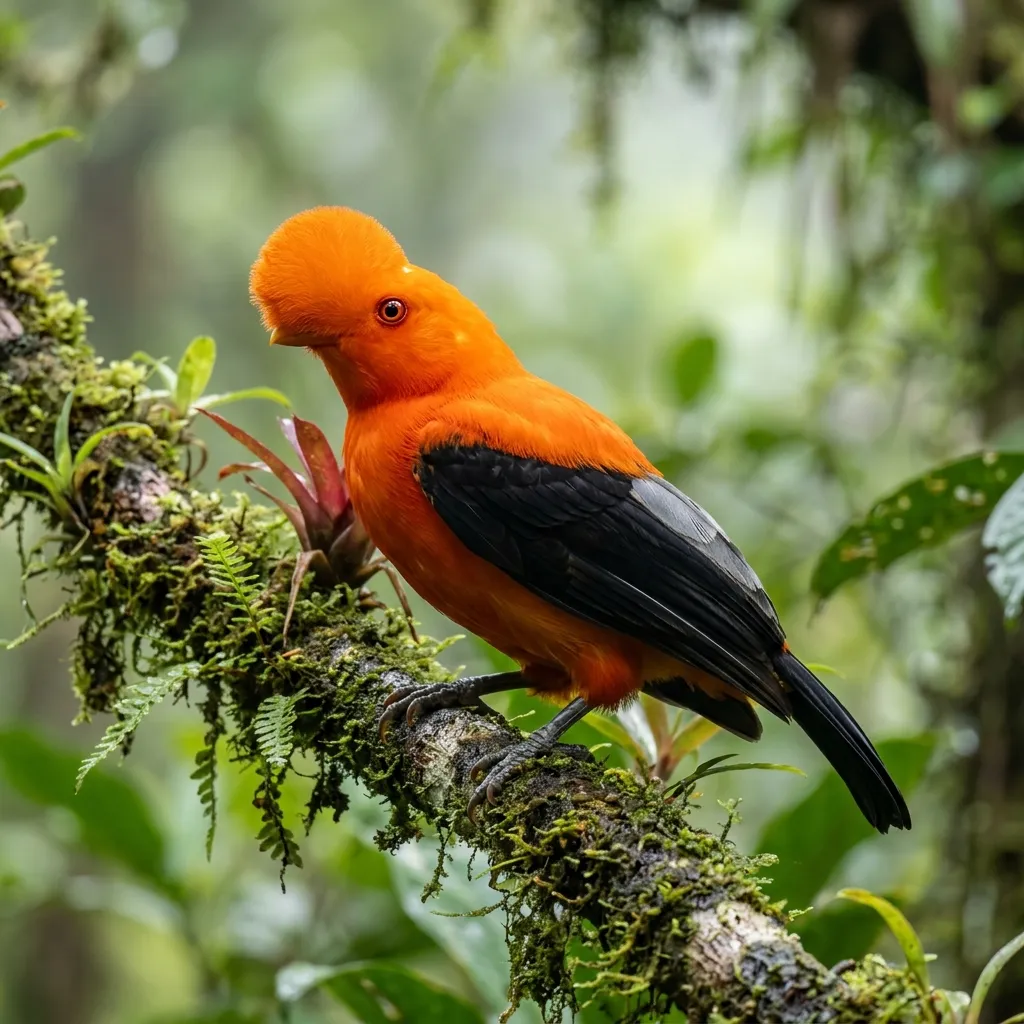
At 5:20 AM, guests walk five minutes along a flat forest trail to the private San Pedro Cock-of-the-rock lek, where up to 20 incandescent scarlet males display simultaneously at eye level. After breakfast on the lodge deck—watching Paradise Tanager, Golden-naped Tanager, Saffron-crowned Tanager, Blue-necked Tanager, and Versicolored Barbet feast on papayas while Booted Racket-tails and Violet-fronted Brilliants crowd the nectar tubes—we walk the Kosñipata road for Golden-headed Quetzal, Amazonian Umbrellabird, Black-and-chestnut Eagle, Solitary Eagle, Lanceolated Monklet, and Peruvian Piedtail.
Frequently Asked Questions
Where is Wayqecha Cloud Forest Biological Station located?
Wayqecha Cloud Forest Biological Station is located at 2,900 meters (9,500 ft) elevation in the upper Kosñipata Valley along the Manu Road in Cusco, Peru, just below Acjanaco Pass on the southern border of Manu National Park.
How far is Cock-of-the-Rock Lodge from Cusco?
Cock-of-the-Rock Lodge at San Pedro (1,450 m) is approximately 6 to 6.5 hours from Cusco by private vehicle over the paved-and-gravel Paucartambo–Kosñipata highway, usually broken up with full birding stops at Huacarpay Lake, Acjanaco Pass, and Wayqecha.
Can general birders stay at Wayqecha Biological Station or is it only for researchers?
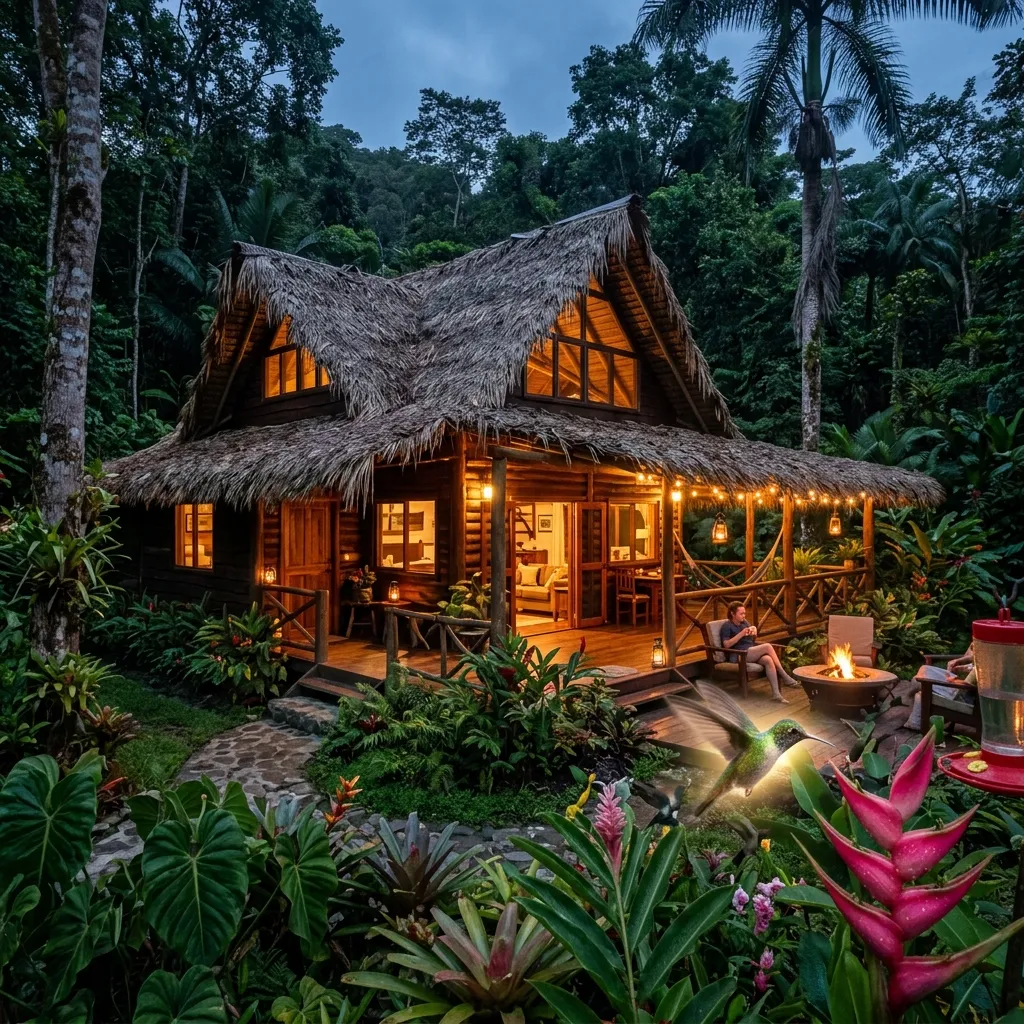
Both birdwatchers and scientific researchers are welcome at Wayqecha! The station features comfortable private wooden cabins with en-suite hot-water bathrooms, a cozy dining lodge overlooking the cloud forest valley, and dedicated birding trails.
How many bird species can you see between Wayqecha and Cock-of-the-Rock Lodge?
Over a 3-to-4-day stay splitting time between Wayqecha (2,900 m), Rocotal (2,000 m), and Cock-of-the-Rock Lodge at San Pedro (1,450 m), guided birding groups routinely record 180 to 240 species, including 25+ tanager species and 20+ hummingbird species.
References & Scholarly Citations
- Conservación Amazónica – ACCA (2025). Wayqecha Cloud Forest Biological Station Avian Checklist & Conservation Report.
- Walker, B., Stotz, D. F., Pequeño, T., & Fitzpatrick, J. W. (2006). Birds of the Manu Biosphere Reserve. Fieldiana Zoology.
- Terborgh, J. (1977). Bird species diversity on an Andean elevational gradient. Ecology, 58(5), 1007-1019.
Ready to Spot These Species?
Our custom birdwatching expeditions in Peru are designed for serious list keepers, photographers, and nature lovers alike. Join our small groups guided by top Peruvian ornithologists.
Inquire About Our Tours